Drainage Tips & Expert Advice | Scott Lockhart
Updated: May 16
Erosion is a common challenge for many landscapes, especially in regions with variable weather patterns and soil types. It can lead to soil loss, damage to plants, and costly repairs. Understanding how to manage and prevent erosion is essential for maintaining healthy, stable land. This article explores practical erosion prevention methods and offers effective strategies to protect your landscape.
Understanding Erosion and Its Impact
Erosion occurs when wind, water, or other natural forces remove topsoil from an area. This process can degrade the quality of the soil, reduce its fertility, and cause sediment to wash into nearby waterways. Over time, erosion can create uneven ground, expose roots, and damage infrastructure such as driveways and retaining walls.
In Central Texas, where rainfall can be intense and sporadic, erosion is a significant concern. The region’s clay soils are prone to shrinking and swelling, which can exacerbate erosion problems. Addressing erosion early helps prevent costly repairs and preserves the natural beauty of your property.
Common Erosion Prevention Methods
Several erosion prevention methods can be applied depending on the landscape’s slope, soil type, and vegetation. These methods work by stabilizing the soil, reducing runoff, and encouraging water absorption.
Vegetative Cover
Planting grass, shrubs, or ground cover is one of the simplest and most effective ways to prevent erosion. Vegetation roots bind the soil together, making it less likely to wash away during heavy rains. Choose native plants that are well-adapted to the local climate and soil conditions for the best results.
Grasses: Fast-growing grasses like Bermuda or buffalo grass provide quick coverage.
Shrubs: Deep-rooted shrubs help stabilize slopes.
Ground Covers: Low-growing plants such as creeping thyme or sedum reduce surface runoff.
Mulching
Applying mulch to bare soil protects it from the impact of raindrops and reduces evaporation. Organic mulches like wood chips or straw also improve soil structure as they decompose. Mulching is especially useful on slopes and newly planted areas.
Terracing and Contouring
For steep slopes, terracing creates flat areas that slow water flow and reduce erosion. Contouring involves shaping the land to follow natural water flow patterns, which helps direct runoff away from vulnerable areas.
Retaining Walls and Barriers
Building retaining walls or installing erosion control blankets can provide physical barriers to soil movement. These structures are particularly useful in areas with severe erosion or where vegetation alone is insufficient.

Implementing Drainage Solutions
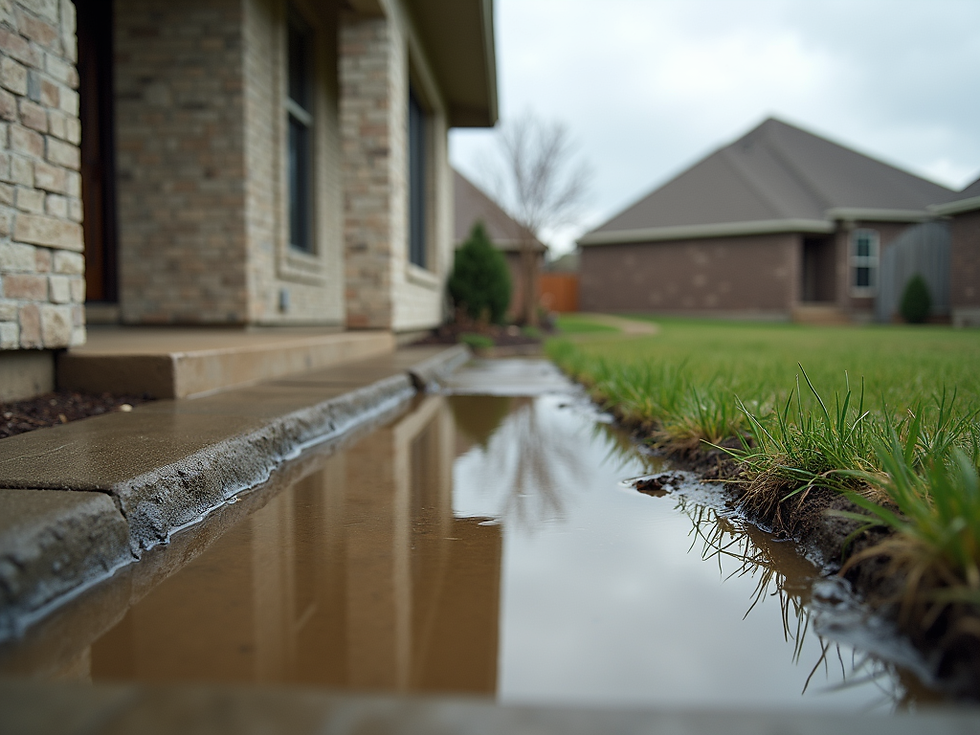
Proper drainage is critical to controlling erosion. Water that pools or flows unchecked can quickly erode soil and damage landscapes. Installing drainage systems helps manage water flow and protects your property.
French Drains
French drains are trenches filled with gravel and a perforated pipe that redirect water away from problem areas. They are effective for managing surface water and preventing soil saturation.
Swales and Berms
Swales are shallow, vegetated channels that slow and direct runoff. Berms are raised areas of soil that act as barriers to water flow. Both can be designed to blend naturally into the landscape.
Rain Gardens
Rain gardens are planted depressions that collect and absorb runoff from roofs, driveways, and other hard surfaces. They reduce erosion by capturing water and allowing it to soak into the ground.
Choosing the Right Materials for Erosion Control
Selecting appropriate materials is essential for long-term erosion control success. The choice depends on the site conditions and the severity of erosion.
Erosion Control Blankets: Made from natural fibers or synthetic materials, these blankets protect soil on slopes until vegetation establishes.
Riprap: Large stones placed along shorelines or channels absorb and deflect the energy of flowing water.
Geotextiles: Permeable fabrics that reinforce soil and improve stability.
Using a combination of these materials with vegetation often yields the best results.

Maintaining Your Landscape to Prevent Erosion
Erosion control is not a one-time effort. Regular maintenance ensures that prevention methods remain effective over time.
Inspect slopes and drainage systems after heavy rains.
Replant or reseed areas where vegetation has thinned.
Repair damaged retaining walls or erosion control materials promptly.
Keep gutters and downspouts clear to prevent concentrated runoff.
By staying proactive, you can protect your landscape from erosion and avoid costly repairs.
Expert Assistance for Complex Erosion Challenges
Some erosion problems require professional evaluation and intervention. Complex drainage issues, unstable slopes, or large-scale erosion may need specialized solutions.
Scott Lockhart offers expert consulting and contracting services across Central Texas. With decades of experience, he provides tailored strategies to manage water flow and stabilize landscapes effectively. Whether you need help designing a drainage system or implementing erosion control solutions, expert guidance ensures the best outcome.
For those seeking reliable and proven methods, exploring erosion control solutions can provide valuable insights and options tailored to your landscape’s needs.
By understanding and applying these erosion prevention methods, you can safeguard your property and maintain a healthy, attractive landscape. Taking action today helps ensure your land remains stable and productive for years to come.