Effective Yard Water Drainage: Solutions for Standing Water in Your Yard
Updated: Aug 27
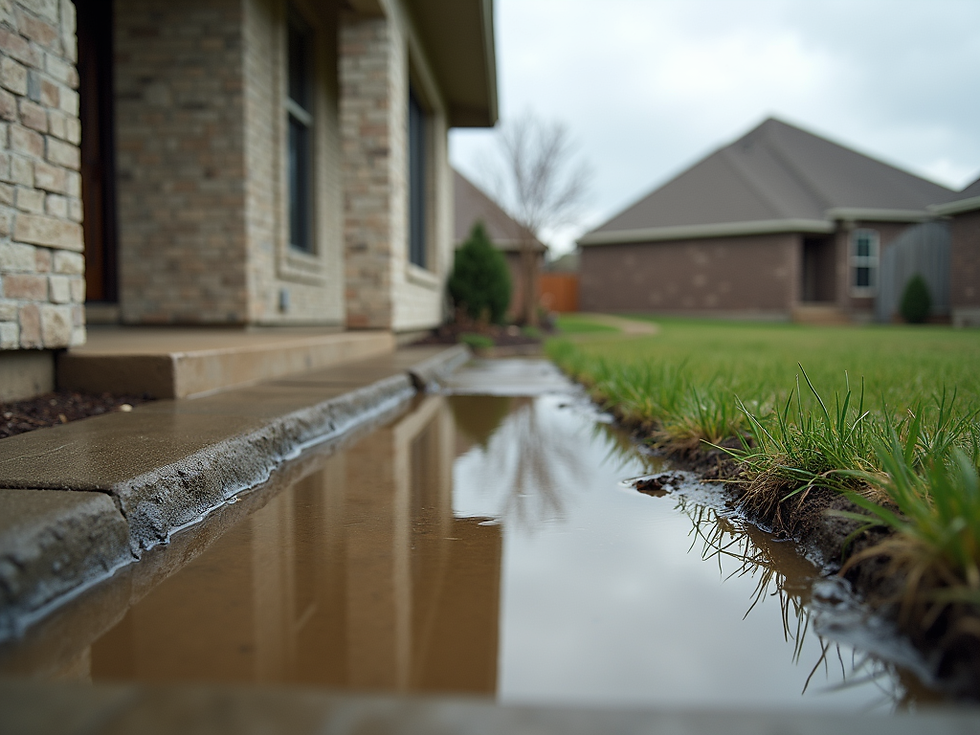
Standing water in a yard can cause many problems. It damages grass, attracts pests, and can even harm your home's foundation. Proper yard water drainage is essential to keep your outdoor space healthy and safe. This article explores practical ways to manage water buildup and improve drainage around your property.
Understanding Yard Water Drainage and Its Importance
Water that does not drain properly can pool in low spots, creating standing water. This issue is common in areas with heavy rainfall or poor soil drainage. When water remains stagnant, it can suffocate grass roots and promote mold growth. It also creates a breeding ground for mosquitoes and other insects.
Good yard water drainage directs excess water away from your home and landscape. It helps maintain soil health and prevents erosion. Proper drainage also protects structures like patios, driveways, and foundations from water damage.
To improve drainage, you need to identify the source of the problem. Common causes include:
Compacted soil that prevents water absorption
Poorly graded land that slopes toward the house
Blocked or inadequate drainage systems
Heavy clay soil that retains water
Once you understand the cause, you can choose the right solution to keep your yard dry and healthy.

Practical Yard Water Drainage Solutions
There are several effective methods to address standing water in your yard. Each option depends on the severity of the problem and your yard’s layout.
1. Regrading the Yard
Regrading involves reshaping the land to create a gentle slope away from your home. This encourages water to flow toward designated drainage areas instead of pooling. A slope of at least 2% (about a quarter inch per foot) is recommended for proper drainage.
Regrading can be a DIY project for small areas but may require professional help for larger or more complex yards.
2. Installing French Drains
French drains are trenches filled with gravel and a perforated pipe. They collect and redirect water away from problem areas. This system is effective for yards with poor surface drainage or where water collects near foundations.
French drains require some digging and planning but provide a long-term solution for standing water.
3. Using Dry Wells
Dry wells are underground structures that collect runoff water and allow it to slowly seep into the ground. They are useful in areas where water cannot flow naturally to a lower spot.
Dry wells help manage large volumes of water and reduce surface pooling.
4. Creating Rain Gardens
Rain gardens are shallow, planted depressions designed to absorb rainwater. They use native plants that tolerate wet conditions and help filter runoff.
Rain gardens are an eco-friendly way to manage water while adding beauty to your yard.
5. Installing Surface Drains
Surface drains, such as catch basins or channel drains, collect water from paved areas and direct it to drainage pipes. These are ideal for yards with hard surfaces like patios or driveways.
Surface drains prevent water from pooling on flat surfaces and reduce slip hazards.
6. Improving Soil Drainage
Aerating compacted soil and adding organic matter can improve water absorption. This method helps water soak into the ground rather than pooling on the surface.
Regular lawn maintenance, including aeration and topdressing, supports better drainage.

How much does it cost to put drainage in a yard?
The cost of installing yard drainage varies widely based on the method chosen and the size of the area. Here are some general estimates:
Regrading: $1,000 to $3,000 for a typical yard, depending on soil and slope.
French drains: $20 to $30 per linear foot, including materials and labor.
Dry wells: $1,000 to $3,000 depending on size and depth.
Rain gardens: $500 to $2,000 depending on plant selection and size.
Surface drains: $200 to $500 per drain installed.
Soil improvement: Aeration costs about $75 to $200; adding organic matter varies by quantity.
Keep in mind that professional installation ensures proper design and function. It may cost more upfront but saves money on repairs later.
Maintenance Tips to Prevent Standing Water
Once drainage solutions are in place, regular maintenance is key to keeping your yard dry.
Clear debris: Remove leaves and dirt from gutters, drains, and downspouts.
Inspect drainage systems: Check for clogs or damage in pipes and drains.
Maintain grading: Avoid adding soil that creates low spots.
Aerate soil: Do this annually to reduce compaction.
Monitor plant health: Replace plants in rain gardens if they die.
Proper upkeep extends the life of your drainage system and prevents future water problems.
Choosing the Right Expert for Complex Drainage Needs
For challenging drainage issues, consulting an experienced professional is wise. Experts can assess your yard’s unique conditions and recommend tailored solutions. They also handle permits and ensure compliance with local regulations.
Scott Lockhart is a trusted name in Central Texas for complex drainage and general contracting. With decades of experience, he offers reliable consulting and effective solutions for water management challenges.
If you want to explore standing water in yard solutions, working with a knowledgeable expert ensures the best results.
Protect Your Yard with Smart Drainage Solutions
Standing water can damage your property and create health risks. Addressing drainage problems early protects your investment and enhances your outdoor space. Whether you choose regrading, French drains, rain gardens, or other methods, proper yard water drainage is essential.
By understanding your yard’s needs and maintaining your drainage system, you can enjoy a dry, healthy landscape year-round. Reach out to professionals when needed to tackle complex issues and secure lasting solutions.