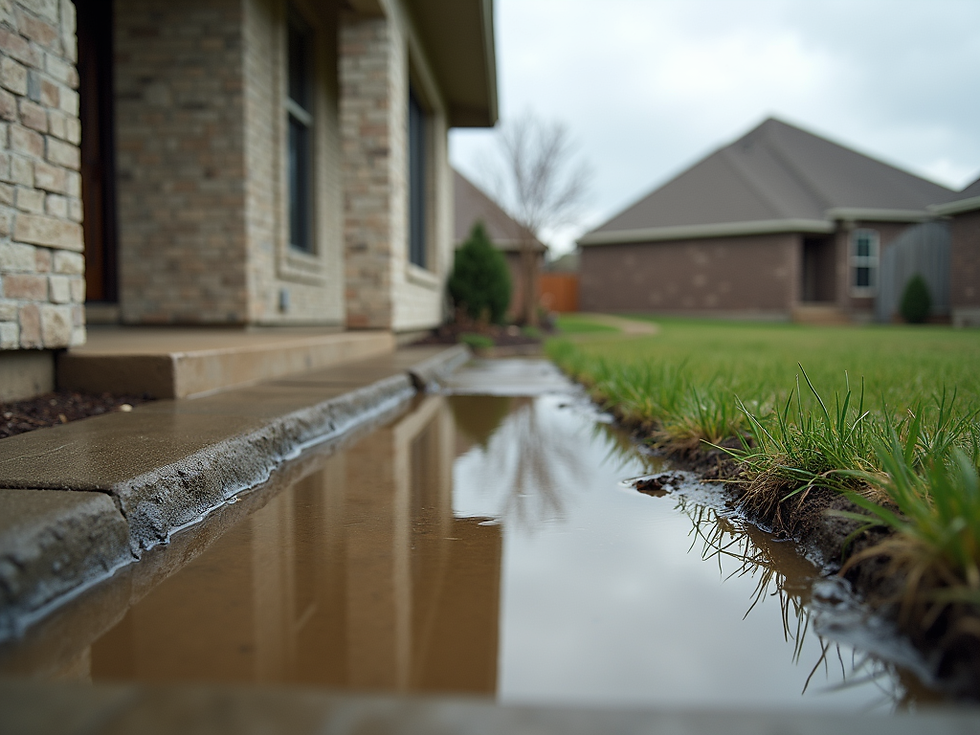
Optimize Drainage with Effective Stormwater Planning
Updated: Aug 18
Managing water runoff is a critical challenge for many properties, especially in regions prone to heavy rains and flooding. Proper drainage systems protect your land, buildings, and infrastructure from water damage. To achieve this, you need more than just gutters and drains. You need a comprehensive approach that considers the entire water flow on your property. This is where effective stormwater planning comes into play.
Understanding Effective Stormwater Planning
Effective stormwater planning involves designing and implementing strategies to control the flow and quality of rainwater runoff. It aims to reduce flooding, prevent erosion, and protect water quality by managing how stormwater moves across your property. This planning is essential for homeowners, businesses, and municipalities alike.
Stormwater runoff can carry pollutants, debris, and sediments into local waterways, causing environmental harm. By planning carefully, you can minimize these impacts and comply with local regulations. Effective stormwater planning includes:
Assessing the natural drainage patterns of your land
Identifying areas prone to flooding or erosion
Designing systems to capture, slow, and filter runoff
Using green infrastructure like rain gardens and permeable pavements
Implementing these measures helps maintain the health of nearby streams and rivers while protecting your property from water damage.

Key Components of a Stormwater Management Plan
A well-crafted stormwater management plan addresses both the quantity and quality of runoff. It typically includes several components:
Site Assessment
Start by evaluating your property’s topography, soil type, and existing drainage features. Understanding where water naturally flows and pools helps identify problem areas.
Runoff Control Measures
These are physical structures or landscaping techniques designed to manage water flow. Examples include:
Retention ponds that hold excess water temporarily
Swales or shallow ditches that direct water away from buildings
Rain gardens that absorb and filter runoff
Permeable pavements that allow water to soak into the ground
Pollution Prevention
Stormwater can carry oils, chemicals, and debris. Incorporating filtration systems or vegetated buffers can reduce pollutants before water reaches natural waterways.
Maintenance Plan
Regular upkeep is crucial. Clearing debris from drains, inspecting retention areas, and maintaining vegetation ensures your system works effectively over time.
By combining these elements, you create a resilient system that protects your property and the environment.

How much does a stormwater plan cost?
The cost of developing and implementing a stormwater management plan varies widely depending on the size of the property, the complexity of the drainage issues, and the types of solutions chosen. For a typical residential property, costs might range from a few thousand dollars for simple landscaping changes to tens of thousands for engineered systems like retention ponds or underground detention.
For businesses and municipalities, costs increase with scale and regulatory requirements. However, investing in a well-designed plan can save money in the long run by preventing costly flood damage and reducing liability.
Factors influencing cost include:
Site assessment and engineering fees
Materials and installation of drainage structures
Landscaping and vegetation
Ongoing maintenance expenses
It is advisable to consult with experienced professionals who can provide detailed estimates tailored to your specific needs.
Benefits of Implementing a Stormwater Management Plan
Investing in a stormwater management plan offers multiple advantages:
Flood Prevention: Proper drainage reduces the risk of water pooling and flooding your property.
Erosion Control: Managing runoff protects soil and landscaping from washouts.
Water Quality Improvement: Filtering runoff helps keep local waterways clean.
Regulatory Compliance: Many areas require stormwater controls to meet environmental standards.
Property Value: Well-managed drainage enhances curb appeal and protects structures, increasing property value.
These benefits make stormwater planning a smart choice for anyone looking to safeguard their land and contribute to environmental stewardship.
Practical Steps to Optimize Drainage on Your Property
To optimize drainage effectively, follow these actionable steps:
Conduct a Drainage Survey: Identify where water collects and flows on your property.
Clear Existing Drains: Remove debris from gutters, downspouts, and storm drains regularly.
Install Rain Gardens: Use native plants to absorb and filter runoff in low-lying areas.
Use Permeable Surfaces: Replace concrete or asphalt with permeable materials where possible.
Create Swales or Berms: Redirect water away from buildings and sensitive areas.
Maintain Vegetation: Healthy plants stabilize soil and improve water absorption.
Consult Experts: Work with drainage and general contracting professionals to design and implement solutions tailored to your site.
By taking these steps, you can significantly improve how your property handles stormwater.
Looking Ahead: Long-Term Water Management Strategies
Stormwater management is not a one-time fix. It requires ongoing attention and adaptation as weather patterns and land use change. Planning for the future means:
Monitoring system performance regularly
Updating plans to address new challenges
Incorporating new technologies and green infrastructure
Educating property users about water conservation and pollution prevention
A proactive approach ensures your drainage system remains effective and sustainable over time.
Optimizing drainage through effective stormwater planning protects your property and the environment. By understanding the principles, costs, and practical steps involved, you can make informed decisions that reduce flood risks and improve water quality. Whether you manage a home, business, or public space, investing in a stormwater management plan is a crucial step toward resilient water management in Central Texas.