Understanding Retaining Walls: Essential Insights for Homeowners
Updated: Aug 27
If your retaining wall is leaning, cracked, or showing water seeping through the joints, it's not just a landscaping issue. It's a drainage emergency in slow motion. Most retaining wall failures in Central Texas begin with what's behind the wall, not the wall itself.
What Makes a Retaining Wall Last?
Three key factors contribute to the longevity of a retaining wall: proper engineering, the right backfill materials, and a drainage system installed behind the wall to relieve hydrostatic pressure. Without these elements, even the most aesthetically pleasing wall will ultimately fail.
When considering installing retaining walls at a residence, it's crucial to understand that their purpose extends beyond mere decoration. While these structures enhance curb appeal and frame landscaping beautifully, they are functional components essential for managing yard drainage. This is particularly important given the specific climate of Austin and the surrounding regions.
The primary structural purpose of retaining walls is to balance two powerful forces: the lateral pressure from gravity pushing soil against the wall and the water pressure building behind it. They prevent erosion, manage water runoff, and restrain the earth surrounding them, creating more usable space.
Many retaining walls actually start with a drainage problem, not a landscaping problem. The durability of a retaining wall is entirely dependent on the quality of the drainage system supporting it.
What Does a Retaining Wall Actually Do?
A properly engineered retaining wall serves five core functions:
Improves drainage by redirecting where water pressure builds, especially helpful for the heavy, sudden rains common in Central Texas.
Prevents erosion by holding back soil along sloped terrain.
Transforms sloped areas that are otherwise unusable into functional, level space.
Creates usable outdoor space by evening out the land for easier maneuvering across the property.
Provides design intent — while their practical purpose is paramount, they are also visually appealing and often adorned with lights and stones for added charm.
Effective retaining walls are not merely stacked bricks or decorative stones. They are entire structural systems working in harmony with properly installed drainage behind the walls.
The Real Threat: Hydrostatic Pressure
The most significant threat to retaining walls is hydrostatic pressure — the pressure created by water when it accumulates and pushes against something solid. When soil around a wall becomes saturated after heavy rain, this pressure can push aggressively against the structure. If not managed with proper exterior drainage or waterproofing, even a concrete or stone wall can fail.
Initial indicators of a deteriorating retaining wall are often subtle. However, they can quickly escalate into substantial and costly structural failures.
Signs Your Retaining Wall Is Failing
If you notice any of the following signs on your property, it's time to have the wall evaluated before it becomes a drainage emergency:
Visible cracking in the wall structure or surface
Leaning or bulging in the wall face
Sloping or shifting terrain above or around the wall
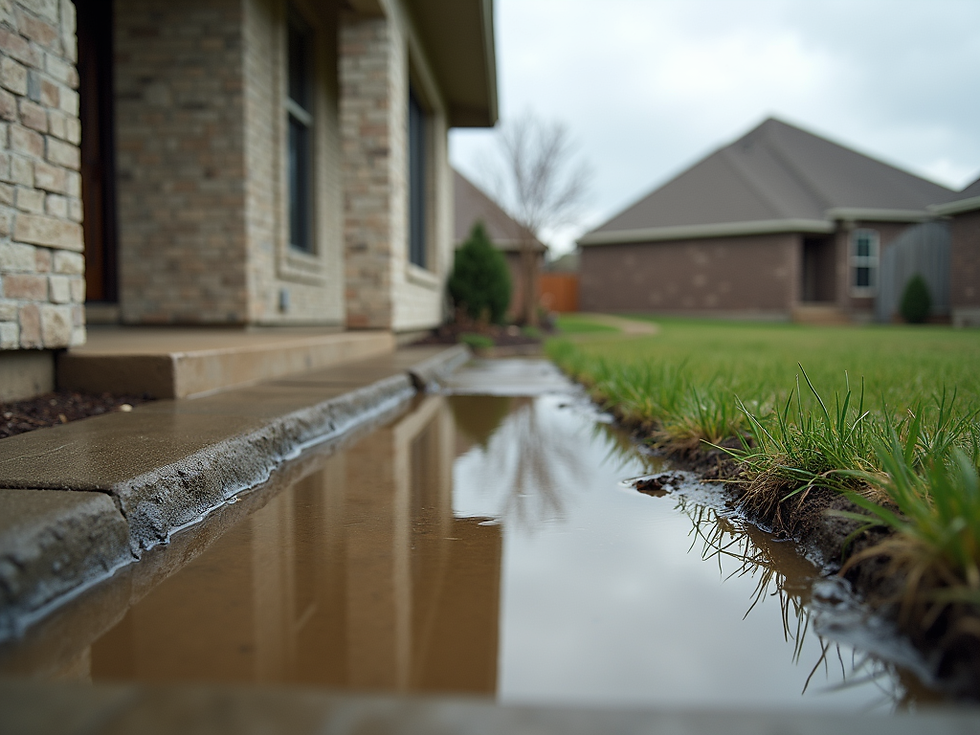
Water pooling at the base of the wall or near your foundation
Shifts in adjacent landscaping or hardscaping
Cracks in your home's interior walls (a downstream foundation effect)
Insect or pest infestation inside wall joints
When these symptoms appear, the best course of action is to consult a trusted source like Scott Lockhart Drainage Contractor before the problem escalates into a structural emergency.
Landscaper's Wall vs. Drainage Contractor's Wall
There is a significant difference between a wall built by a landscaping crew and one constructed by a drainage contractor:
A landscaper's retaining wall is primarily designed to hold soil back, create functional tiered levels, and serve aesthetic purposes.
A drainage retaining wall — or engineered retaining wall — is built to manage heavy water flow, mitigate flooding, and divert water runoff.
Landscaping companies typically prioritize:
Surface-level grading
Curb appeal
Decorative materials
Creating usable garden space
Drainage companies prioritize:
Drain pipe systems like French drains
Proper backfill materials (coarse gravel and filter fabric)
Managing hydrostatic water pressure
Erosion prevention
Long-term structural performance
Maintaining the structural integrity of a property is crucial in Central Texas, where the cycle of intense heat and heavy rainfall causes significant soil expansion and contraction. This movement can put intense strain on retaining walls.
This is why many homeowners across Austin, Travis County, and Williamson County often choose professionals like Scott Lockhart Drainage Contractor, who specializes in engineered drainage systems and retaining walls and has completed over 10,000 projects across the greater Austin area.
How Much Does a Retaining Wall Cost in Austin?
Pricing for retaining walls varies significantly based on several factors, including the dimensions of the installation, the materials required, and the unique characteristics of the site.
Most professionally built retaining walls in the Austin area range between:
$40 to $130+ per square foot
Total project cost: $2,000 to $30,000+
Smaller decorative walls cost less, while engineered projects with advanced drainage systems can be significantly more expensive. Cutting corners to save on initial costs usually leads to more expensive repairs down the line. Professional retaining walls built with quality materials and attention to detail can last 30 to 100+ years — making them a worthwhile investment.
Other factors that influence cost include:
Site access and equipment: Steep terrain and limited machine access can increase labor costs.
Soil and drainage: Central Texas is known for its clay-rich soil. Proper drainage is essential to prevent wall failure.
Excavation: The amount and type of excavation required can affect labor and time.
Drainage system updates: Replacing an old drainage setup requires meticulous attention to detail, which can extend installation time.
Can You DIY a Retaining Wall?
Sometimes — but only in limited cases. DIY retaining walls are reasonable only when the area is small (under 3 to 4 feet tall) and there are no drainage issues present. Larger projects require structural engineering and special permitting from the city.
The number-one reason DIY retaining walls fail in Central Texas is drainage problems beneath the surface.
Homeowners should call a professional for:
Structural retaining walls
Foundation-adjacent walls
Erosion concerns
Walls more than 4 feet tall
Leaning, cracked, or failing walls
Walls with any water runoff or drainage issues
Service Areas Across Central Texas
Scott Lockhart Drainage Contractor serves homeowners across the greater Austin area, including Round Rock, Cedar Park, Georgetown, Pflugerville, and throughout Travis County and Williamson County.
Ready to Build It Right the First Time?
Whether planning a new retaining wall or worrying about one that shows signs of failure, Scott Lockhart Drainage Contractor has helped countless homeowners across the greater Austin area design long-lasting drainage solutions for over 40 years.
📞 Call 512-914-5177 to schedule a consultation and learn what kind of solution your property needs.
Watch for our Stormwater Specialist series — coming soon to YouTube — for more on retaining walls and drainage solutions.