Subsurface Drainage Solutions for Deep Water Issues with Underground Drainage Systems
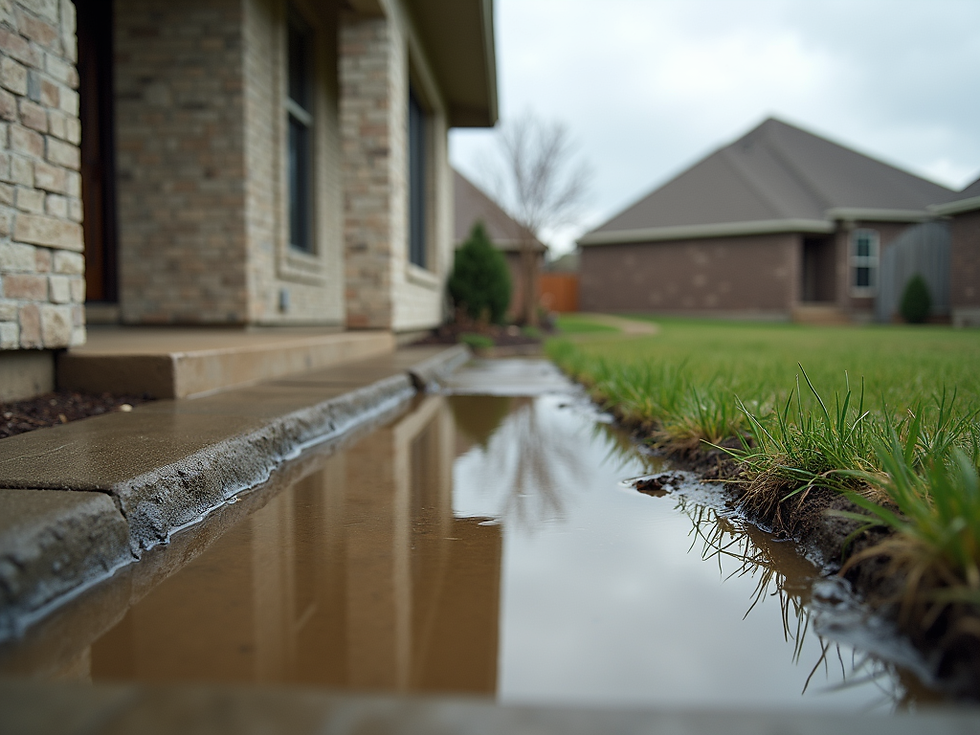
Water accumulation in yards, commercial properties, and public spaces can cause significant damage. It affects soil stability, plant health, and even building foundations. Managing deep water issues requires effective drainage strategies. One of the most reliable methods involves underground drainage systems designed to handle water below the surface. This article explores practical solutions to control and redirect water, helping protect your property and maintain its value.
Understanding Underground Drainage Systems for Water Management
Underground drainage systems are engineered networks installed beneath the ground to collect and transport excess water away from problem areas. These systems prevent waterlogging and reduce the risk of flooding by channeling water to safe discharge points. They are especially useful in regions with heavy rainfall or poor natural drainage.
Common components of underground drainage systems include:
Perforated pipes: These pipes collect water through small holes and direct it away.
Gravel or aggregate layers: Surrounding the pipes, these materials improve water flow and filtration.
Catch basins or inlets: Surface openings that capture runoff and direct it underground.
Outlet points: Locations where water is safely discharged, such as storm drains or retention ponds.
Installing these systems requires careful planning. The slope of the land, soil type, and water source must be considered to ensure efficient drainage. Proper installation prevents water from pooling and reduces soil erosion.

Perforated pipes surrounded by gravel help collect and redirect water underground.
How Underground Drainage Systems Solve Deep Water Problems
Deep water issues occur when water saturates the soil beyond the surface, often due to poor natural drainage or heavy rainfall. This can lead to soggy lawns, damaged foundations, and even mold growth inside buildings. Underground drainage systems address these problems by intercepting water before it causes damage.
Here’s how they work:
Water collection: Water seeps into the soil and enters the perforated pipes.
Water transport: The pipes carry water away from the affected area.
Water discharge: Water is released at a safe location, such as a storm drain or dry well.
This process reduces soil moisture levels, preventing standing water and improving soil stability. It also protects plants by avoiding root rot caused by excess water.
For example, a homeowner with a low-lying yard prone to flooding can install an underground drainage system along the perimeter. This system collects rainwater and directs it to a nearby storm drain, keeping the yard dry and usable.
What Soaks Up Standing Water in a Yard?
Standing water in yards can be a persistent problem, especially after heavy rains. While underground drainage systems are effective, sometimes additional measures are needed to soak up excess water quickly.
Several natural and artificial solutions help absorb standing water:
Soil amendments: Adding organic matter like compost improves soil structure and drainage.
Sand or gravel layers: These materials increase soil permeability.
Planting water-loving plants: Certain plants, such as willows or cattails, absorb large amounts of water.
Installing rain gardens: These shallow depressions collect and filter runoff.
Using absorbent materials: Products like mulch or peat moss help retain and slowly release water.
Combining these methods with underground drainage systems creates a comprehensive approach to managing water. For instance, a rain garden placed near a drainage outlet can capture overflow and reduce runoff speed.

Rain gardens help soak up standing water and improve yard drainage.
Practical Tips for Installing and Maintaining Drainage Systems
Proper installation and maintenance are key to the long-term success of any drainage system. Here are some actionable recommendations:
Assess the site carefully: Identify water sources, soil type, and slope before installation.
Choose the right materials: Use durable pipes and quality gravel to ensure system longevity.
Ensure proper slope: Pipes should slope downward at least 1% to allow water flow.
Install catch basins strategically: Place them where water naturally collects.
Regularly inspect and clean: Remove debris from inlets and check pipes for blockages.
Avoid planting trees near pipes: Roots can damage underground components.
Consider professional help: Complex drainage issues often require expert design and installation.
By following these tips, you can maximize the effectiveness of your drainage system and prevent costly repairs.
The Role of Subsurface Drainage Solutions in Water Management
When dealing with deep water problems, relying on surface solutions alone is often insufficient. This is where subsurface drainage solutions come into play. These systems work beneath the surface to intercept and redirect water before it causes damage.
Subsurface drainage solutions include:
French drains: Trenches filled with gravel and a perforated pipe that redirect water.
Drainage tiles: Similar to French drains but often used in agricultural settings.
Dry wells: Underground pits that collect and slowly release water into the soil.
Sump pumps: Devices that pump water out of basements or low areas.
These solutions are tailored to specific site conditions and water challenges. They are especially valuable in Central Texas, where heavy rains can quickly saturate the soil.
Planning for Long-Term Water Management Success
Effective water management is an ongoing process. Installing underground drainage systems and subsurface drainage solutions is just the beginning. Regular monitoring and maintenance ensure these systems continue to function properly.
Consider these long-term strategies:
Schedule annual inspections: Check for signs of erosion, blockages, or damage.
Update systems as needed: Modify or expand drainage networks to handle changing conditions.
Educate property users: Inform occupants about proper water management practices.
Integrate with landscaping: Use plants and grading to complement drainage efforts.
Plan for extreme weather: Design systems to handle heavy storms and flooding events.
By adopting a proactive approach, property owners can protect their investments and maintain safe, dry environments.
Water management challenges require thoughtful solutions. Underground drainage systems and related subsurface drainage solutions provide effective ways to control deep water issues. With proper design, installation, and maintenance, these systems safeguard properties from water damage and improve overall land usability.