French Drain Solutions: Effective Water Management in Austin
Updated: Aug 27
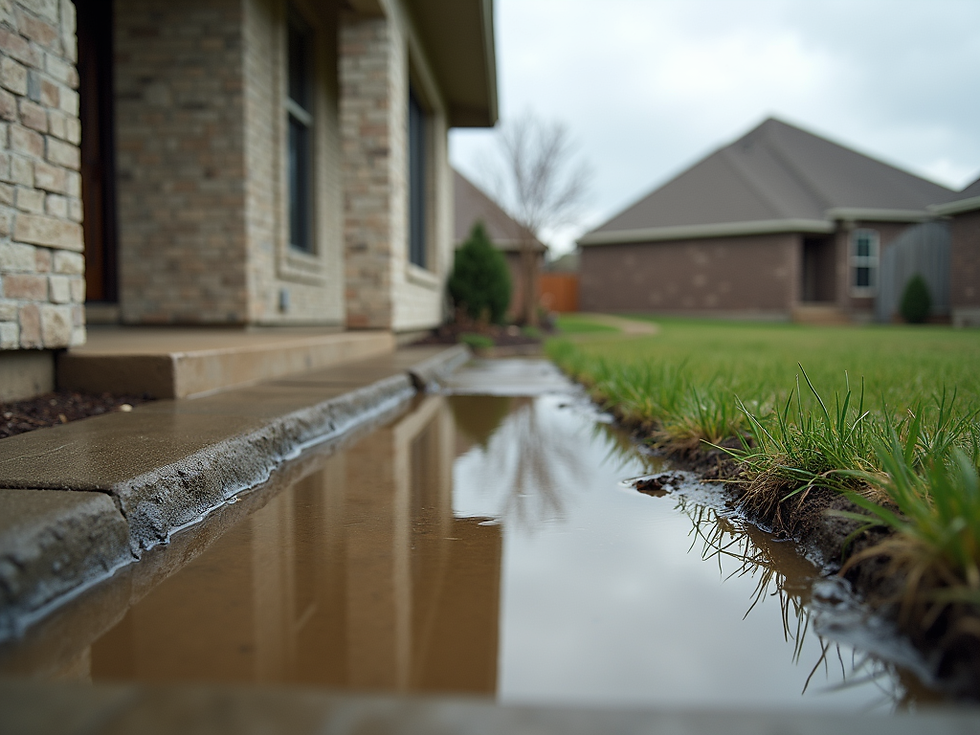
Managing water flow around properties in Central Texas is essential to prevent damage and maintain structural integrity. One of the most reliable methods to control excess water is through the installation of a French drain. This system directs water away from vulnerable areas, reducing the risk of flooding and soil erosion. Understanding the benefits, installation process, and costs associated with French drains can help property owners make informed decisions.
Understanding French Drain Solutions
A French drain is a trench filled with gravel or rock containing a perforated pipe that redirects surface water and groundwater away from an area. This system is particularly useful in regions like Austin, where heavy rains can cause water to pool around foundations, yards, or low-lying areas.
The primary function of a French drain is to collect water and channel it to a safe drainage point, such as a storm drain, dry well, or natural watercourse. This prevents water from accumulating and causing damage to buildings, landscaping, or driveways.
Key Benefits of French Drains
Prevents Water Damage: By redirecting water, French drains protect foundations, basements, and crawl spaces from flooding.
Reduces Soil Erosion: Proper drainage helps maintain soil stability and prevents erosion in gardens and yards.
Improves Landscape Health: Excess water can harm plants and grass. French drains help maintain optimal moisture levels.
Low Maintenance: Once installed, French drains require minimal upkeep compared to other drainage solutions.

How French Drain Installation Works in Austin
Installing a French drain involves several steps that require careful planning and execution. The process begins with assessing the property’s drainage needs and identifying the best location for the drain.
Step 1: Site Assessment and Planning
A professional evaluates the slope of the land, soil type, and water flow patterns. This helps determine the trench’s path and depth to ensure effective drainage.
Step 2: Excavation
A trench is dug along the planned route, typically 6 to 12 inches wide and 18 to 24 inches deep. The slope of the trench is critical; it must allow water to flow naturally toward the drainage outlet.
Step 3: Laying the Drainage Pipe
A perforated pipe is placed at the bottom of the trench. This pipe collects water and directs it away from the property.
Step 4: Adding Gravel and Filter Fabric
The trench is partially filled with gravel to surround the pipe, allowing water to flow freely. A filter fabric is often placed over the gravel to prevent soil from clogging the system.
Step 5: Covering and Finishing
The trench is covered with more gravel and then backfilled with soil or sod to restore the landscape’s appearance.
Proper installation is crucial for the system’s longevity and effectiveness. Hiring experienced professionals ensures the drain functions as intended and complies with local regulations.
How much should a French drain cost to install?
The cost of installing a French drain varies depending on several factors:
Length and Depth of the Drain: Longer and deeper trenches require more materials and labor.
Soil Conditions: Rocky or compacted soil can increase excavation difficulty.
Accessibility: Areas with limited access may require specialized equipment.
Additional Features: Including catch basins, sump pumps, or landscaping restoration can add to the cost.
On average, homeowners in Austin can expect to pay between $20 and $30 per linear foot for a professionally installed French drain. For a typical 50-foot drain, this translates to approximately $1,000 to $1,500. Complex projects or commercial installations may cost more.
Investing in a quality installation can save money in the long run by preventing costly water damage and repairs.
Choosing the Right Materials for Your French Drain
Selecting the appropriate materials is essential for a durable and efficient French drain system.
Drainage Pipe
Perforated PVC Pipe: Commonly used due to its durability and resistance to corrosion.
Flexible Corrugated Pipe: Easier to install in curved trenches but may be less durable.
Gravel
Use clean, washed gravel sized between ½ inch and 1½ inches. This size allows water to flow freely while supporting the pipe.
Filter Fabric
A geotextile fabric prevents soil and debris from entering the gravel and pipe, reducing clogging.
Additional Components
Catch Basins: Collect surface water and direct it into the drain.
Outlet Structures: Safely discharge water away from the property.
Using high-quality materials ensures the system remains functional for many years with minimal maintenance.

Maintenance Tips for Long-Term Performance
While French drains are low maintenance, regular checks help maintain their effectiveness.
Inspect for Blockages: Remove debris from catch basins and outlets.
Check for Standing Water: Persistent pooling may indicate a clog or improper slope.
Clean Gutters and Downspouts: Prevent excess debris from entering the drainage system.
Monitor Vegetation: Roots can infiltrate pipes and cause blockages.
Scheduling periodic professional inspections can identify issues early and extend the life of the drainage system.
Why Professional Installation Matters in Central Texas
The unique soil composition and weather patterns in Central Texas require expertise for effective drainage solutions. Professionals understand local conditions and can design systems tailored to specific property needs.
Scott Lockhart, with decades of experience in complex drainage and general contracting, offers expert consulting and installation services. His approach ensures that water management challenges are addressed comprehensively, protecting properties from water damage and erosion.
For those seeking reliable and efficient drainage, consulting with experts specializing in french drain installation austin is a wise investment.
Enhancing Property Value with Proper Drainage
Installing a French drain not only protects your property but can also increase its market value. Buyers appreciate well-maintained drainage systems that prevent water-related issues.
Additionally, effective drainage supports healthy landscaping, which enhances curb appeal. Whether for residential or commercial properties, investing in drainage solutions is a smart decision for long-term property care.
By understanding the benefits, installation process, and maintenance of French drains, property owners in Austin and Central Texas can make informed choices to protect their investments. Proper drainage is a critical component of property management, and professional solutions ensure lasting results.