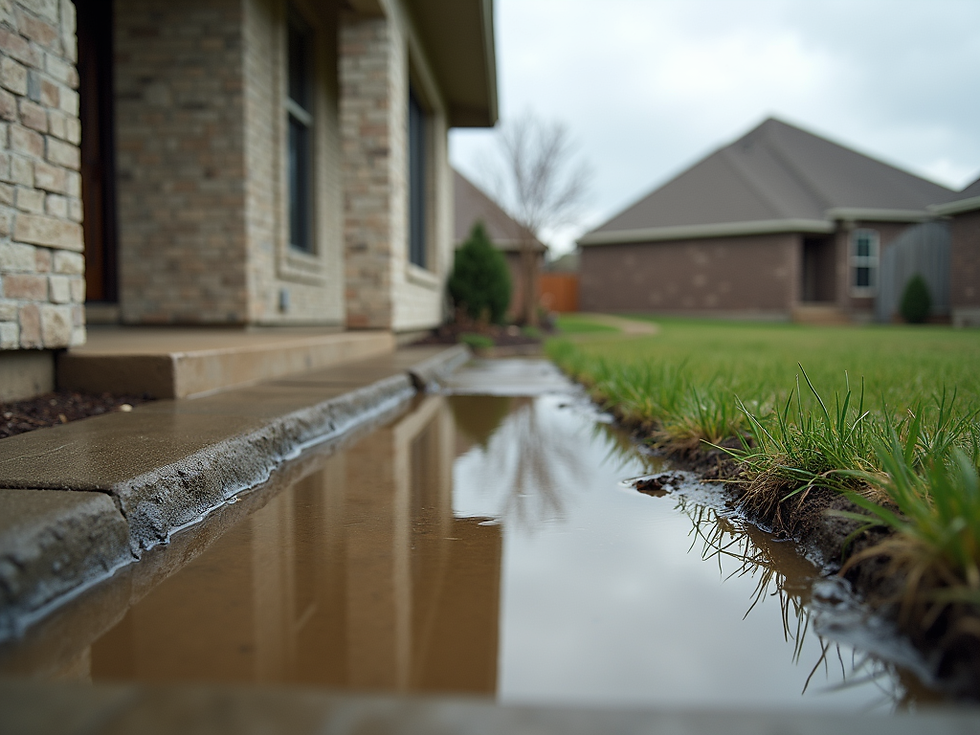
Innovative Drainage System Solutions for Stormwater Management
Managing stormwater effectively is a critical challenge for homeowners, businesses, and municipalities, especially in regions like Central Texas where heavy rains can cause flooding and property damage. Innovative drainage system solutions are essential to control runoff, protect infrastructure, and maintain environmental health. This article explores practical, modern approaches to stormwater management that can help you address water flow issues efficiently and sustainably.
Understanding Drainage System Solutions
Drainage system solutions involve designing and implementing methods to collect, convey, and treat stormwater. Traditional systems often rely on pipes and gutters to move water away quickly, but these can be overwhelmed during heavy storms. Modern solutions focus on slowing down runoff, promoting infiltration, and reducing pollution.
Some common drainage system solutions include:
Permeable pavements: These surfaces allow water to seep through, reducing runoff volume.
Rain gardens: Shallow, planted depressions that absorb and filter stormwater.
Bioswales: Landscape elements designed to concentrate and convey water while removing debris and pollution.
Green roofs: Vegetated roof systems that retain rainwater and reduce runoff.
Detention basins: Temporary storage areas that hold excess water during storms.
Each of these solutions can be tailored to fit specific site conditions and needs. For example, a business with a large parking lot might benefit from permeable pavement combined with bioswales, while a homeowner could install rain gardens and rain barrels to manage water on their property.

Benefits of Innovative Stormwater Management
Implementing innovative drainage system solutions offers several advantages:
Flood reduction: By controlling the flow and volume of stormwater, these systems help prevent flooding in urban and suburban areas.
Water quality improvement: Natural filtration through soil and plants removes pollutants before water reaches streams and rivers.
Groundwater recharge: Allowing water to infiltrate the ground replenishes aquifers, which is vital in drought-prone areas.
Cost savings: Reducing the need for expensive underground piping and minimizing flood damage lowers long-term expenses.
Enhanced aesthetics and habitat: Green infrastructure adds beauty to landscapes and supports local wildlife.
For municipalities, these benefits translate into safer communities and reduced infrastructure maintenance costs. Businesses can protect their assets and demonstrate environmental responsibility. Homeowners gain healthier yards and reduced water bills.
What are common SWPPP mistakes?
Stormwater Pollution Prevention Plans (SWPPPs) are essential for construction sites and developments to minimize water pollution. However, many projects encounter common pitfalls that reduce their effectiveness:
Incomplete site assessment: Failing to identify all potential sources of pollution and runoff pathways leads to inadequate controls.
Poor maintenance of controls: Sediment fences, silt traps, and other devices must be regularly inspected and repaired.
Ignoring local regulations: Not adhering to municipal or state requirements can result in fines and project delays.
Lack of employee training: Workers unaware of SWPPP procedures may inadvertently cause pollution.
Inadequate documentation: Proper record-keeping is necessary to demonstrate compliance during inspections.
Avoiding these mistakes requires thorough planning, ongoing monitoring, and clear communication among all parties involved in a project. Consulting with experts who understand local conditions and regulations can improve SWPPP success.

Practical Steps to Implement Effective Drainage Solutions
To successfully manage stormwater, consider the following actionable recommendations:
Assess your site’s drainage patterns: Identify where water collects, flows, and exits your property.
Choose appropriate solutions: Match drainage system solutions to your site’s soil type, slope, and land use.
Incorporate green infrastructure: Use natural elements like plants and soil to manage runoff.
Maintain systems regularly: Clean gutters, check infiltration areas, and repair damaged components.
Engage professionals when needed: Complex drainage issues often require expert design and installation.
For example, a homeowner noticing water pooling near their foundation might install a French drain to redirect water away safely. A business with a large impervious surface could retrofit parking areas with permeable pavers and bioswales to reduce runoff volume and improve water quality.
Future Trends in Stormwater Management
The field of stormwater management continues to evolve with new technologies and approaches. Some emerging trends include:
Smart drainage systems: Sensors and automated controls optimize water flow and storage in real time.
Modular green infrastructure: Prefabricated units that can be easily installed and customized for various sites.
Water reuse systems: Capturing and treating stormwater for irrigation or non-potable uses.
Community-based solutions: Collaborative projects that address stormwater at neighborhood or watershed scales.
These innovations promise to make stormwater management more efficient, cost-effective, and environmentally friendly. Staying informed about new developments can help you adopt the best strategies for your property or project.
Taking Action on Stormwater Challenges
Addressing stormwater issues requires a proactive approach. By understanding and applying innovative drainage system solutions, you can protect your property, support local ecosystems, and comply with regulations. Whether you manage a home, business, or public space, investing in effective stormwater management pays off in resilience and sustainability.
For those seeking expert guidance, consulting with experienced professionals who specialize in complex drainage and water management can provide tailored solutions. Their knowledge of local conditions and regulations ensures that your stormwater management plan is both practical and compliant.
Explore more about stormwater management solutions to find resources and tools that can help you implement effective practices today. Taking these steps will contribute to safer, healthier communities across Central Texas and beyond.