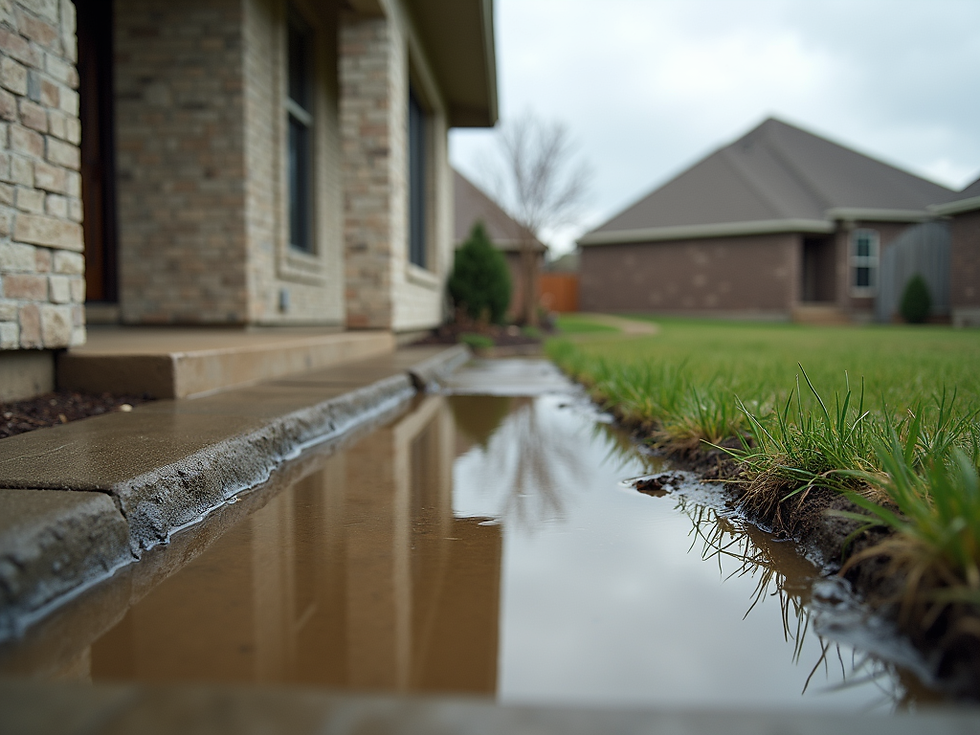
Innovative Flood Prevention Strategies for Central Texas
Updated: Aug 27
Flooding is a persistent challenge in many regions, especially in Central Texas where heavy rains and unpredictable weather patterns can cause significant water damage. Effective flood prevention strategies are essential to protect homes, businesses, and public infrastructure. This article explores innovative approaches to managing flood risks, offering practical insights for those looking to safeguard their properties and communities.
Understanding Flood Prevention Strategies
Flood prevention strategies involve a combination of structural and non-structural measures designed to reduce the impact of flooding. These strategies aim to control water flow, improve drainage, and minimize damage when floods occur. For Central Texas, where terrain and weather conditions vary, tailored solutions are necessary.
Some common flood prevention strategies include:
Building levees and floodwalls to block or redirect floodwaters.
Improving stormwater drainage systems to handle heavy rainfall efficiently.
Creating retention basins and wetlands to absorb excess water.
Implementing zoning laws that restrict construction in flood-prone areas.
Using permeable pavements to allow water infiltration and reduce runoff.
Each of these methods plays a role in a comprehensive flood management plan. Combining them can significantly reduce flood risks and protect valuable property.
Innovative Approaches to Flood Management
Traditional flood control methods have served communities for decades, but new technologies and designs are enhancing their effectiveness. Innovations in flood management focus on sustainability, adaptability, and integration with natural landscapes.
Green Infrastructure
Green infrastructure uses natural processes to manage water. Examples include rain gardens, green roofs, and bioswales. These features slow down runoff, filter pollutants, and increase water absorption.
Rain gardens are shallow, planted depressions that collect rainwater from roofs and paved areas.
Green roofs are covered with vegetation, reducing runoff and cooling buildings.
Bioswales are landscape elements designed to concentrate and convey stormwater while removing debris and pollution.
These solutions not only reduce flooding but also improve urban environments and support biodiversity.
Smart Flood Monitoring Systems
Advances in technology have led to the development of smart flood monitoring systems. These systems use sensors, cameras, and data analytics to provide real-time information about water levels and weather conditions.
Sensors placed in rivers and drainage systems detect rising water.
Data is transmitted to control centers for quick decision-making.
Alerts can be sent to residents and officials to prepare for potential flooding.
Smart systems enable faster responses and better resource allocation during flood events.

What are some solutions to help with flooding?
Several practical solutions can help reduce flooding risks in residential and commercial areas. These solutions often combine engineering with environmental design.
Elevation and Floodproofing
Raising buildings above expected flood levels is a straightforward way to prevent water damage. Floodproofing techniques include sealing walls, installing flood vents, and using water-resistant materials.
Detention and Retention Ponds
Detention ponds temporarily hold stormwater and release it slowly, reducing peak flow rates. Retention ponds permanently hold water, allowing it to infiltrate or evaporate over time.
Improved Drainage Systems
Upgrading storm drains and culverts ensures that water moves away from vulnerable areas quickly. Regular maintenance is crucial to prevent blockages.
Community Engagement and Planning
Educating residents about flood risks and involving them in planning efforts strengthens community resilience. Local governments can enforce building codes and land-use policies that reduce flood hazards.
Flood Barriers and Temporary Solutions
Deployable flood barriers, such as sandbags or inflatable dams, provide short-term protection during emergencies. These are useful when permanent structures are not feasible.
Integrating Technology with Traditional Methods
Combining modern technology with established flood control methods creates robust defenses against flooding. For example, levees equipped with sensors can monitor structural integrity and water pressure. Drones can inspect hard-to-reach areas after storms to assess damage quickly.
GIS (Geographic Information Systems) mapping helps planners identify flood-prone zones and design targeted interventions. This data-driven approach improves the efficiency of flood prevention projects.
The Role of Professional Expertise in Flood Management
Effective flood prevention requires specialized knowledge and experience. Professionals with expertise in drainage, hydrology, and construction play a vital role in designing and implementing solutions.
Scott Lockhart, with decades of experience in complex drainage and general contracting, exemplifies the kind of expert needed to tackle Central Texas’s unique water management challenges. His consulting services help communities and businesses develop customized plans that address local conditions.
By working with skilled professionals, property owners can ensure that their flood prevention measures are both effective and compliant with regulations.

Moving Forward with Confidence
Flood risks will continue to evolve with changing climate patterns and urban development. Staying ahead requires ongoing innovation, investment, and collaboration.
Regularly assess flood risks and update prevention plans accordingly.
Invest in infrastructure upgrades that incorporate new technologies.
Promote sustainable land use to reduce runoff and preserve natural flood buffers.
Engage with experts to design solutions tailored to specific needs.
By adopting these practices, communities in Central Texas can build resilience and protect their homes and businesses from future flooding events.
For those seeking reliable and effective flood control solutions, partnering with experienced professionals is the best way to ensure long-term safety and peace of mind.