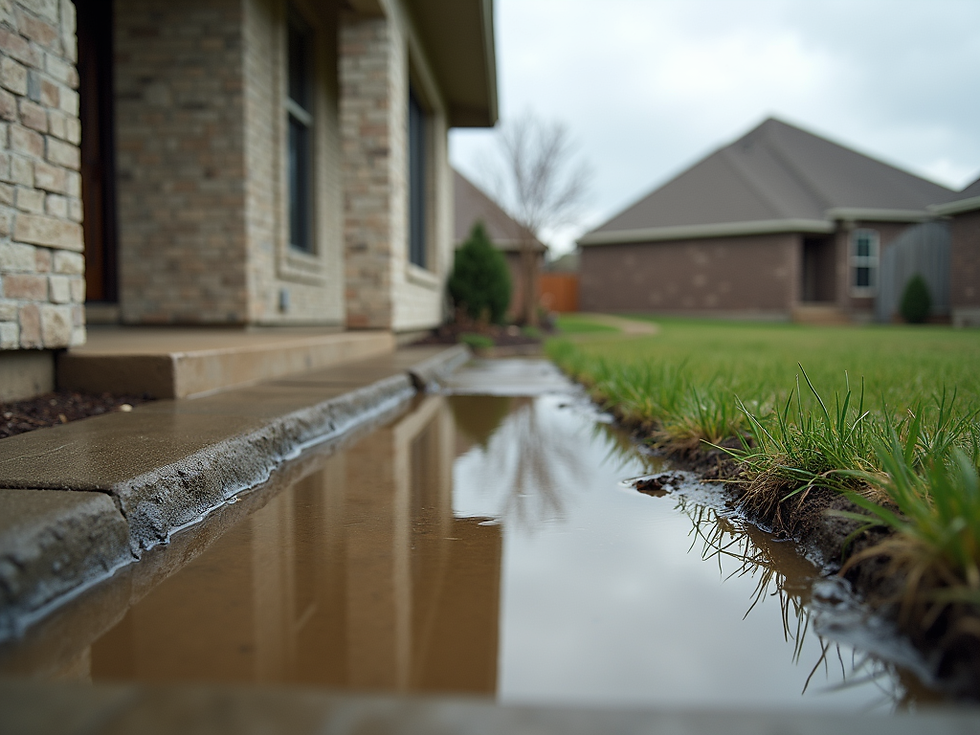
Surface Drainage Solutions for Effective Surface Water Management
Updated: Aug 27
Managing water on your property is essential to prevent damage, maintain safety, and protect the environment. Proper surface water management helps control runoff, reduce erosion, and avoid flooding. Whether you own a home, run a business, or oversee municipal land in Central Texas, understanding how to handle surface water effectively is crucial. This article explores practical methods and systems that can help you manage water on your land efficiently.
Why Surface Water Management Matters
Surface water management involves controlling rainwater and runoff that flows over the ground. Without proper management, water can pool in unwanted areas, damage foundations, erode soil, and create hazards. In Central Texas, where heavy rains can occur suddenly, managing surface water is especially important.
Effective surface water management protects your property by:
Preventing water accumulation near buildings and walkways
Reducing soil erosion and sediment loss
Minimizing flood risks during storms
Protecting landscaping and outdoor spaces
Maintaining compliance with local regulations
By planning and implementing drainage systems, you can avoid costly repairs and maintain a safe, attractive property.

Key Strategies for Surface Water Management
To manage surface water effectively, you need to consider how water moves across your property and where it collects. Here are some key strategies:
Grading and Sloping
Proper grading directs water away from buildings and toward safe drainage areas. A gentle slope of at least 2% away from foundations helps prevent water from pooling near structures. This simple step is often the first line of defense against water damage.
Swales and Ditches
Swales are shallow, vegetated channels that guide water to designated drainage points. They slow runoff, promote infiltration, and reduce erosion. Ditches serve a similar purpose but are often deeper and may be lined with rock or concrete for durability.
Rain Gardens and Bioswales
These are landscaped areas designed to capture and absorb runoff. Rain gardens use native plants and soil to filter water naturally. Bioswales combine vegetation with engineered soil layers to treat and slow water flow.
Permeable Surfaces
Replacing traditional concrete or asphalt with permeable materials allows water to soak into the ground. This reduces runoff volume and helps recharge groundwater.
Drainage Systems
Installing drains, pipes, and catch basins can collect and redirect water efficiently. These systems are especially useful in areas where natural drainage is insufficient.
What are the different types of surface drainage systems?
Surface drainage systems come in various forms, each suited to different needs and site conditions. Understanding these options helps you choose the best solution for your property.
Open Surface Drainage
This system uses visible channels like swales, ditches, and gutters to carry water away. It is cost-effective and easy to maintain but requires space and regular upkeep to prevent clogging.
Closed Surface Drainage
Closed systems use underground pipes and catch basins to collect and transport water. They are ideal for urban or developed areas where open channels are impractical. These systems require professional design and installation.
Slot Drainage
Slot drains are narrow, linear drains installed flush with the surface. They are common in paved areas like driveways and parking lots. Slot drains efficiently capture surface water without disrupting the landscape.
French Drains
A French drain consists of a trench filled with gravel and a perforated pipe. It collects water from the surface and subsurface, directing it away from problem areas. French drains are versatile and effective for many applications.
Channel Drains
Channel drains are surface drains with a grated top, often used along driveways, patios, or walkways. They quickly collect runoff and connect to underground pipes.

How to Choose the Right Surface Drainage Solution
Selecting the right drainage system depends on several factors:
Property size and layout: Larger properties may benefit from a combination of open and closed systems.
Soil type: Sandy soils drain quickly, while clay soils retain water and may need more robust solutions.
Rainfall patterns: Areas with heavy or frequent rain require systems that handle large volumes.
Existing landscaping: Preserve trees and plants by integrating drainage with natural features.
Budget: Some systems are more affordable upfront but may require more maintenance.
Consulting with an experienced drainage expert can help you assess your property and design a system that meets your needs. They can also ensure compliance with local regulations and environmental standards.
Maintaining Your Surface Drainage System
Once installed, your drainage system needs regular care to function properly. Here are some maintenance tips:
Clear debris: Remove leaves, dirt, and trash from gutters, drains, and swales.
Inspect for damage: Check pipes, grates, and channels for cracks or blockages.
Control vegetation: Keep grass and plants trimmed around drainage areas to prevent clogging.
Monitor water flow: After storms, observe how water moves and adjust grading or add features if pooling occurs.
Schedule professional inspections: Periodic reviews by a drainage specialist can catch issues early.
Proper maintenance extends the life of your drainage system and protects your property from water damage.
Planning for Long-Term Water Management Success
Effective surface water management is an ongoing process. As your property changes, so do drainage needs. New construction, landscaping projects, or changes in local regulations may require updates to your system.
Consider these long-term strategies:
Incorporate drainage into all projects: Plan drainage before building or landscaping to avoid costly fixes.
Use sustainable practices: Employ natural filtration and infiltration methods to reduce environmental impact.
Stay informed: Keep up with local water management guidelines and best practices.
Work with experts: Experienced contractors can provide tailored solutions and adapt to evolving challenges.
By taking a proactive approach, you ensure your property remains safe, functional, and attractive for years to come.
For those seeking reliable and effective surface drainage solutions, partnering with a knowledgeable expert is key. With decades of experience in Central Texas, professionals can design and implement systems that handle complex water management challenges with confidence.
Managing surface water is not just about preventing problems today but safeguarding your property’s future. With the right strategies and ongoing care, you can control runoff, protect your investment, and enjoy peace of mind no matter the weather.