What to Look for in a Drainage Estimate (And the Right Questions to Ask)
Knowing what to look for in a drainage estimate — and having the right questions in your back pocket when you shop around — is something you should be able to do with confidence. The right knowledge can save you a good chunk of change and a headache or two down the road.
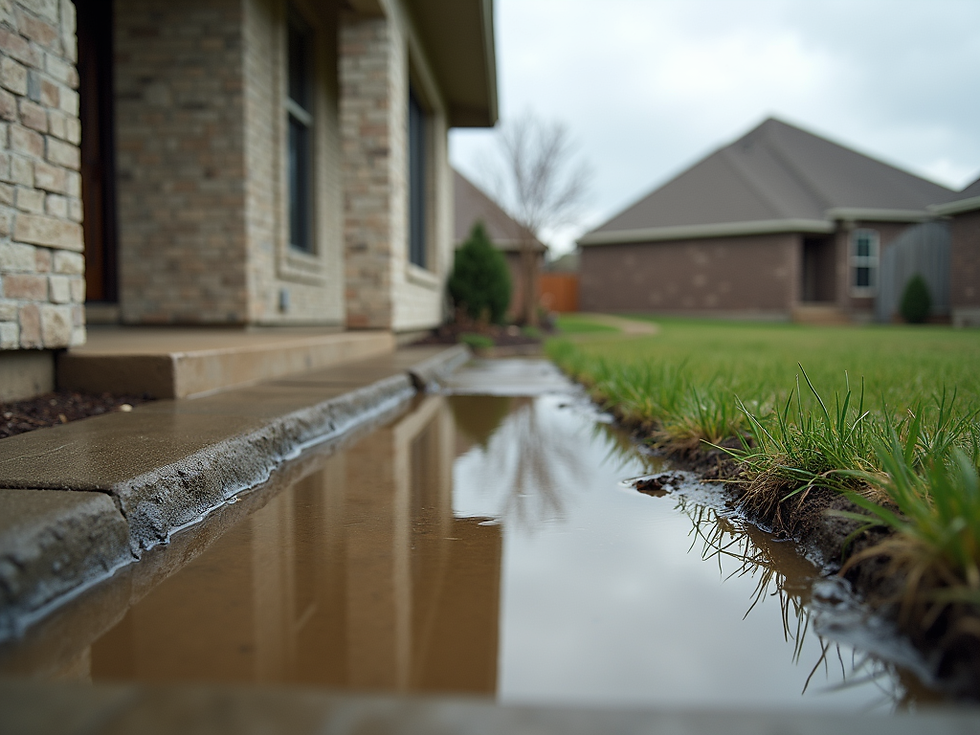
A drainage estimate is a blueprint for protecting your property and solving your water problem. You want someone to actually walk the property, not stand by your driveway and guess. The estimate you receive tells you a lot about the contractor you're hiring.
If you want to make sure your investment actually solves the problem, here's a complete buyer's guide to reading a drainage quote like a pro — whether you're in Austin or elsewhere in Central Texas.
It Starts With a Real Property Assessment
Trustworthy drainage contractors don't hand you a quote five minutes after pulling into the driveway. They should spend time evaluating:
The slope and grading of your property
Areas where water collects
Any existing drainage systems
Gutters and downspouts
Soil conditions — especially our Central Texas clay
Landscaping that may affect water flow
Signs of erosion or foundation movement
Drainage plans aren't copy-and-paste; every yard is different. If a contractor hands you an estimate after barely looking around, keep searching.
What Should Be Itemized on a Drainage Estimate
A professional estimate should be easy to understand. Rather than one mysterious number, look for a quote that breaks out:
Scope of work — a complete breakdown of the project from start to finish
Materials — gravel, fabric, catch basins, grates, and the other components your system needs
Labor — the time and expertise to install the system correctly and safely
Drainage products — French drains, surface drains, channel drains, or whatever solution fits your property
Grading — setting the correct ground slope for proper drainage
Excavation — digging, trenching, and soil removal to install the system and establish correct flow
Permits — some projects require them; your contractor should flag this and handle pulling them
Restoration and cleanup — sod repair, landscape patch-up, hauling off spoils. If it's not listed, ask whether it's included or extra
Itemization lets you compare estimates fairly and understand exactly what you're paying for. If a quote is missing more than one or two of these, it's not automatically a red flag — but it's a reason to ask questions before you sign.
Why the Cheapest Quote Often Costs More
With drainage work, the lowest estimate often becomes the most expensive one — if the problem isn't fixed correctly the first time. Cheaper bids tend to leave out the things you can't see once the trench is closed:
Proper grading
Adequate drainage pipe
Drain basins
Quality materials
Cleanup and restoration
Long-term water management
The result is hiring a second contractor later to fix the first installation. As the saying goes: buy nice or buy twice.
Questions Every Homeowner Should Ask
Always ask questions when you're getting a quote for home work, especially something you're not deeply familiar with. Anyone running a reputable service should be glad to answer. The most useful ones:
Where does the water come from, and where is it going now? A real assessment traces the actual path — roof runoff, a neighbor's slope, a low spot in the yard — not just the puddle you pointed at.
Why this solution instead of the others? A French drain, a swale, and a grate inlet solve different problems. If they can't explain the "why," they may not have diagnosed the "what."
Are there multiple ways to solve it? Most drainage problems have more than one solution. A good contractor walks you through the options, with the trade-offs and cost differences.
How will this hold up in heavy Central Texas storms? Your contractor should explain how the system performs when the rain comes down hard and fast, not just on an average day.
What maintenance does it need? Even the best system needs some upkeep. Know what's involved so there are no surprises later.
Is there a warranty? A warranty shows confidence in the work. Understand what's covered, how long it lasts, and what might void it.
And if someone gets defensive when you ask reasonable questions — that's valuable information too.
Choose the Value, Not Just the Number
Whether you hire us or someone else, a good estimate should read like a clear plan, not a guess. It names the materials, explains the reasoning, and answers your questions.

If you want a second opinion — or just someone to walk your yard and tell you what's actually going on — call Scott Lockhart Drainage Contractor at 512-790-8564. Serving Austin and Central Texas since 1984. That's what we're here for.